
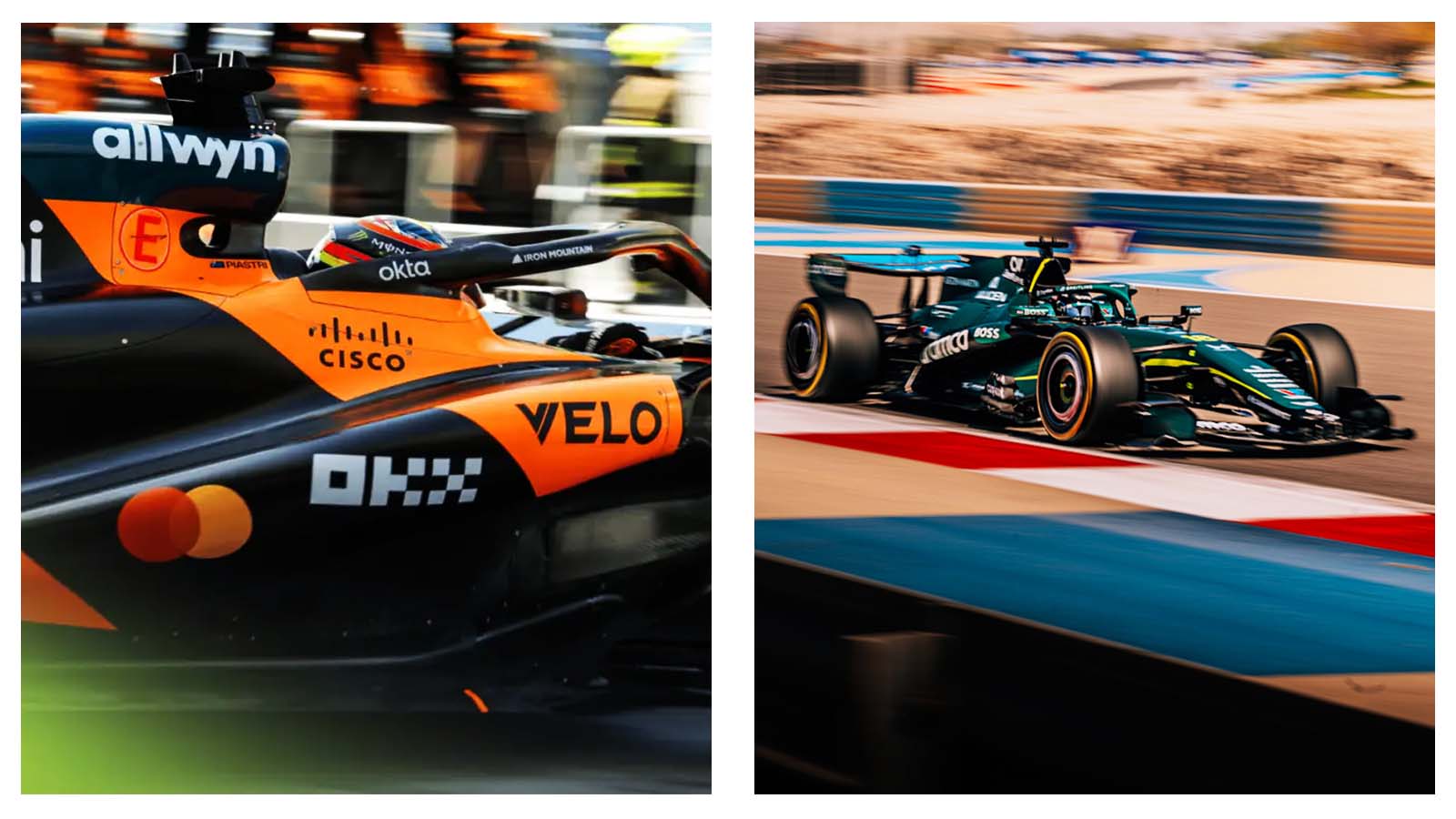
The first week of F1 pre-season testing in Bahrain has come to an end, with plenty of talking points surrounding the new regulations.
With a shakedown and one week of testing done, we edge ever closer to the start of a new era for Formula 1.
The biggest changes in the regulations
In short, these regulations are set to make the cars smaller in size and around 30kg lighter in comparison to last year’s machines.
Key measurements include a 200mm shorter wheelbase, 10cm narrower in width and 100% sustainable fuels as the sport heads towards a zero new fossil carbon.
With the hope of making the cars more agile, DRS is being removed and being replaced by active aerodynamics, along with boost and overtake functions.
Also new to this year is a 50/50 split between the internal combustion engine and electric power.
While all of this is being done to try and help aid overtaking and allow the cars to follow closer to each other for longer periods, it marks a step toward a more battery management focused form of racing, which some drivers don’t seem so keen on.
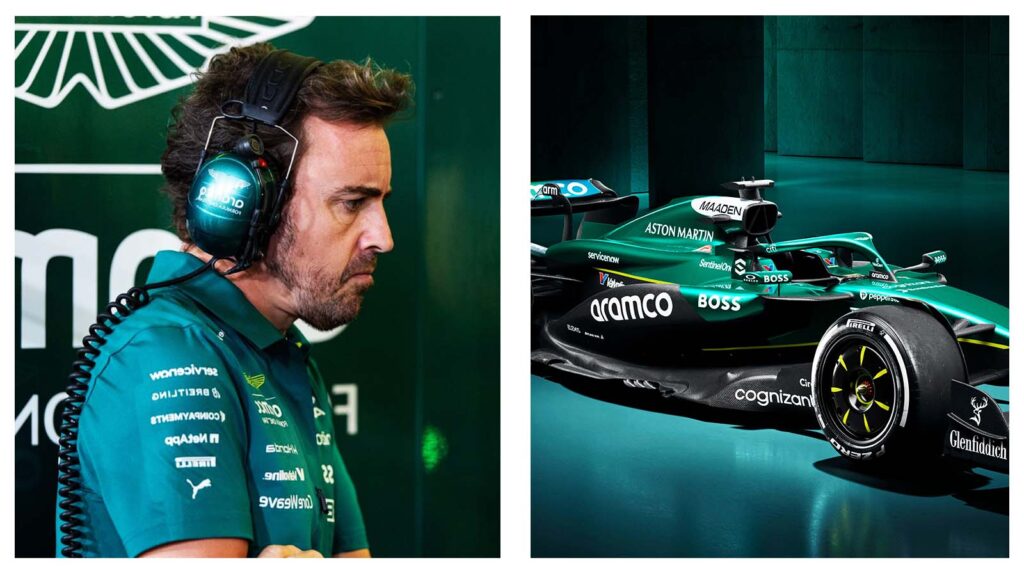
READ MORE: F1 news: Fernando Alonso believes Aston Martin will have the ‘best car’ in F1 under Adrian
Drivers’ thoughts on the new changes
This week has seen a lot of debate surrounding the massive changes being brought to the regulations and overall drivability of the cars.
Four-time world champion Max Verstappen has been the most critical of the cars so far this test describing it as being all about “management”, and that the new cars feel like “Formula-e on steroids.”
“A lot of what you do as a driver, in terms of inputs, has a massive effect on the energy side of things. For me, that’s just not Formula 1,” Verstappen added.
Despite these new regulations being implemented to try and aid overtaking, Ferrari driver Charles Leclerc said: “I find it, at the moment, extremely difficult to get any overtakes.
“It might improve with time in how we manage these situations, but it always comes with a price whenever you’ve got to overtake and the price is a lot more costly than in the past.”
On the other hand, reigning world champion Lando Norris does not agree with the others, stating that he thought the new cars were “a lot of fun.”
Who looked the quickest?
There was a lot of finger-pointing coming from all of the big contenders this week.
Mercedes, McLaren, Ferrari and Red Bull, all of which were subduing their own performances and hyping up the superiority of their competitors over the long runs.
As for single lap pace, though, it was the two Mercedes boys who topped the time sheets, with Italian youngster Kimi Antonelli delivering a 1:33.669, just under three-tenths ahead of his British team-mate George Russell.
Behind them were the two Ferrari guys, Lewis Hamilton and Leclerc, then came Oscar Piastri and Norris in the McLaren, with Verstappen in seventh – just over a second adrift of the leader in his Red Bull.
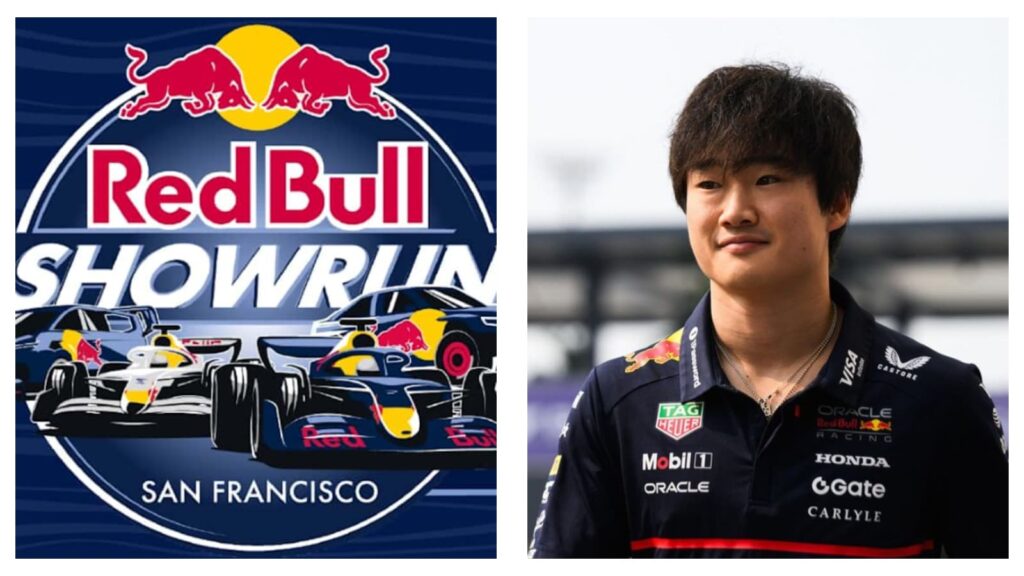
YOU MAY ALSO LIKE: F1 news: Yuki Tsunoda returns to an F1 cockpit with Red Bull at San Francisco showrun
Which team struggled the most?
One team that seemed to be plagued with the most troubles was Aston Martin, despite all of the expectations placed on their shoulders coming into this year.
Even though they brought in sporting legend Adrian Newey to help design their newest car, the team put the 20th and 21st slowest times down on the board, some 4.5 seconds off the pace of the Mercedes boys.
“Definitely, we are not in the position we wanted to be,” Alonso said, speaking on their reliability and opening testing days.
Newey’s aggressive design on the new car has caused a lot of chatter online, but more are concerned with the Honda engine, which seems to be losing the team about 1.5 seconds per lap, according to BBC Sport.
READ NEXT: Six Nations 2026: Round three predictions and betting tips
 Michael Davey
  Juliette White
  SportJustSport writers