
By Juliette White
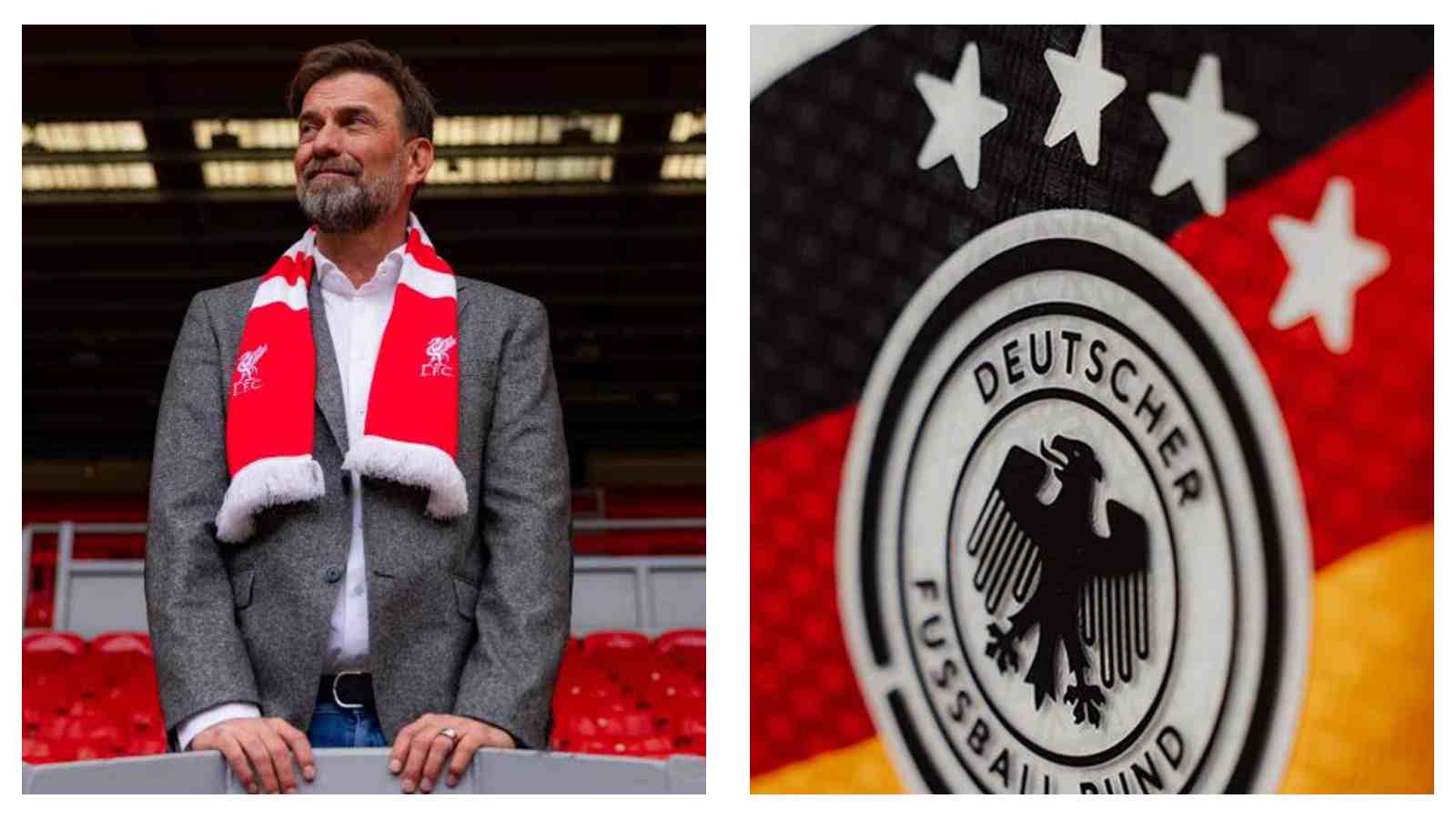
Former German national team head coach Julian Nagelsmann reportedly has handed the baton to Jürgen Klopp following Germany’s early exit from the 2026 FIFA World Cup in the Round of 32.
The Liverpool FC legend was best known for his ability to transform teams, having led Borussia Dortmund to consecutive league titles and turned Liverpool into a title-winning side once more.
Across his managerial career, he recorded an impressive 54.4% win rate, underlining the consistency of his success and solidifying him as a household name.
Here, Sport Just Sport discusses what Germany could expect under Klopp’s leadership, should the speculation come to fruition.
Development of young talent
Klopp famously focused on youth development, providing opportunities for young talent to perform on the biggest stages.
Examples of Klopp’s ability to develop raw talent included right-back Trent Alexander-Arnold and midfielder Curtis Jones.
Alexander-Arnold and Jones both made their Premier League debuts at the age of 18, demonstrating Klopp’s trust in ability over seniority.
This approach meant younger German players can be expected to gain greater international experience and recognition, boosting their visibility and creating stronger opportunities in club football.
Klopp built a reputation for trusting young players in high-pressure situations, often giving them first-team opportunities based on their performances in training rather than their age or experience.
His emphasis on energy, intensity and work ethic made younger players well suited to his tactical system.
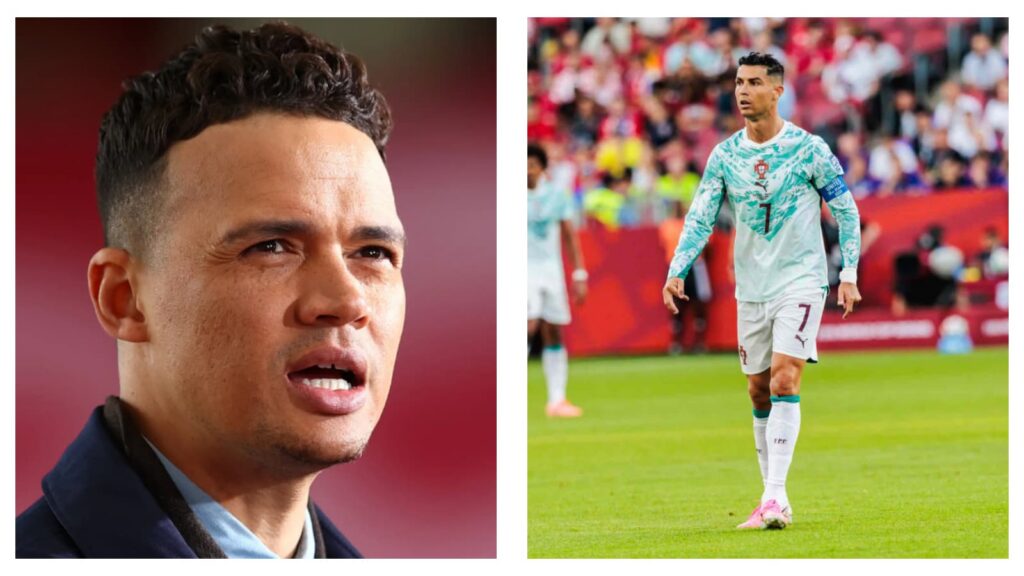
READ MORE: Portugal star Cristiano Ronaldo should retire after World Cup 2026, says Jermaine Jenas
Gegenpressing and attacking football tactics
Klopp’s most notable tactical principle, gegenpressing, would be expected to be an obvious change implemented by the German team.
Gegenpressing is a forward-defensive tactic in which forwards and midfielders attempt to regain possession immediately after losing the ball, rather than dropping into a defensive shape.
While well-known managers such as Pep Guardiola and Thomas Tuchel have also incorporated this tactic into their playing styles, gegenpressing became a defining feature of Klopp’s success in club football.
Klopp has previously explained this philosophy, stating,
“The best moment to win the ball is immediately after your team just lost it. The opponent is still looking for orientation where to pass the ball.
He will have taken his eyes off the game to make his tackle or interception and he will have expended energy. Both make him vulnerable.”
Formation changes
As seen during the World Cup, Nagelsmann’s Germany employed a highly dynamic 4-2-3-1 formation.
The system allowed players to maintain possession and build attacks from the back in a controlled, horizontal manner.
However, Klopp’s Germany would be predicted to adopt a 4-3-3 formation, favouring attacking intensity and a rapid transitional style over controlled build-up play.
The formation change would make it expected to see the ball played more vertically, with Germany spending more time in the opposition’s half than in central areas, contrasting with the previous tactical approach.
Klopp famously used the 4-3-3 formation during his time at Liverpool, having favoured the 4-2-3-1 earlier in his managerial career with Borussia Dortmund.
Although he was familiar with the 4-2-3-1, Klopp had shown a preference for the 4-3-3 during his most recent managerial spell at Liverpool.
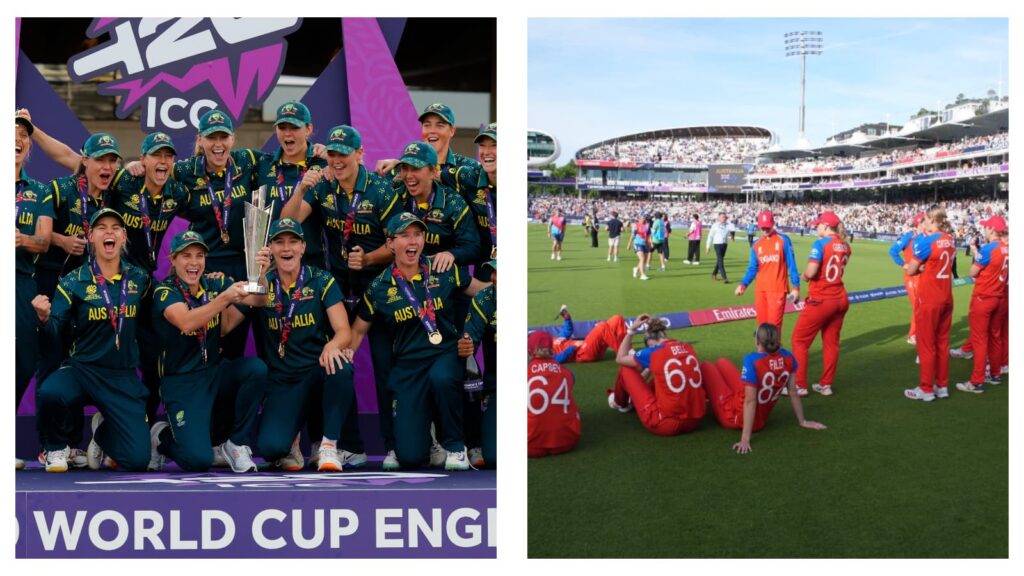
READ MORE: Women’s T20 World Cup 2026: Australia ease past England in Lord’s final for seventh title
Sustainability over short-term success
Klopp’s ability to utilise and manage resources was regarded as one of the defining traits of his managerial profile.
He built a highly successful Liverpool side, winning seven major trophies despite his frugal spending habits in the transfer market.
Klopp also proved capable of adapting to injuries suffered by key players, with defenders Virgil van Dijk and Joe Gomez both enduring long-term absences during his tenure.
In response, he used 20 different defensive partnerships.
As a by-product of his high-intensity style, Klopp experienced frequent injury disruptions during his time with Liverpool, meaning he became accustomed to rotating his squad and making significant changes to his starting line-up.
For Germany, this suggests there would be a rotating cast of players on the pitch, with Klopp unafraid to select unconventional options in his starting XI.
READ NEXT: Jermaine Jenas says Harry Kane’s defining England moment is still to come
 SportJustSport writers
  Aidan Leo
  Michael Davey