
F1 and the FIA have agreed to make changes to the 2026 F1 regulations, which will be implemented from the Miami Grand Prix onwards.
From fans to the drivers themselves, there’s no doubting the level of disapproval toward these new regulations so far, but whether the new tweaks will actually help remains to be determined.
Changes to qualifying
The chase for pole position has come under more scrutiny than the racing has, with drivers complaining of the excessive super-clipping and the necessity of having to lift off in order to charge the battery.
Many feel qualifying has lost its dramatic spark, leading to a more car-driven session rather than the ability of the driver trying to make a difference.
First comes a reduction in the maximum permitted recharge, coming down from eight MJ to seven MJ.
This is aimed at stopping battery harvesting, for a more flat-out attack in quali.
The peak superclip power is being increased from 250 kW to 350 kW, allowing for a reduction in time spent recharging.
READ MORE: F1 analysis: 2026 Miami Grand Prix predictions
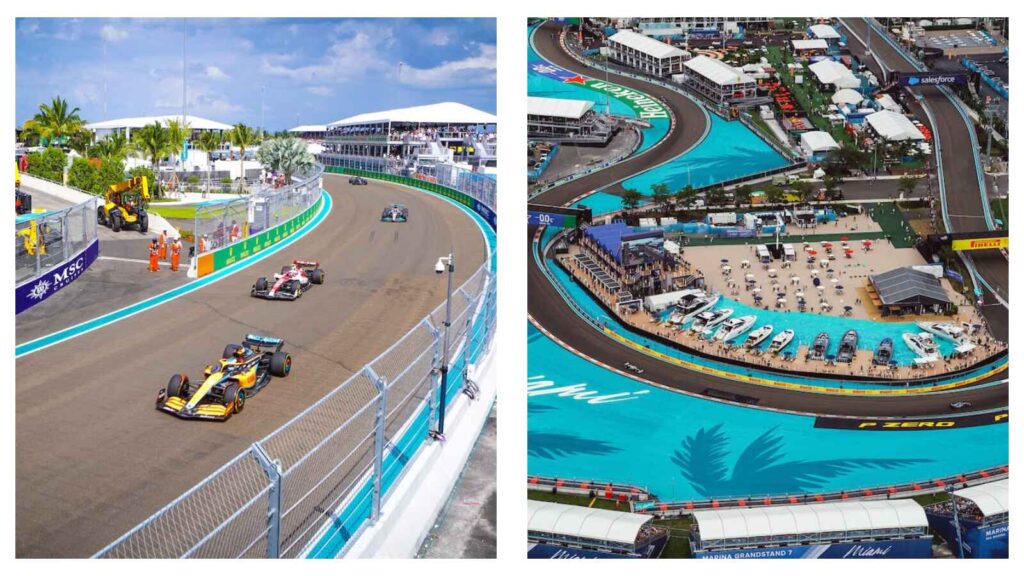
Changes for the race
The ‘artificiality’, as many called it, of the Boost function is being altered, with the maximum power available now being capped at +150 kW.
In Japan, there was a big crash for Haas driver Ollie Bearman due to an excessive speed differential between himself and Alpine driver Franco Colapinto.
In order to reduce the risk of these excessive closing speeds while overtaking, the FIA think this change to the Boost button, and a limit of 250 kW outside of key acceleration zones, will help aid these dangerous close calls.
New to race starts is a ‘low power start detection’ system, which is able to identify cars with irregularly low acceleration shortly after the clutch is released.
If this were to occur, an automatic MGU-K deployment will be triggered, making sure a minimum level of acceleration is met, without giving any lasting advantage.
This is aimed at stopping any start-related risks, with some teams having seemingly terrible starts compared to others.
Changes for wet weather conditions
The FIA are introducing increased tyre blanket temperatures, aimed at improving initial grip and performance in bad conditions.
They are also simplifying the rear-light systems, enabling a clearer set of visual cues to improve visibility.
Lastly, to limit torque and improve car control in wet conditions, the maximum ERS deployment will also be reduced.
READ NEXT: Motorsport news: Juha Miettinen dies after seven-car accident as Max Verstappen leaves tributes
 Juliette White
  Michael Davey