
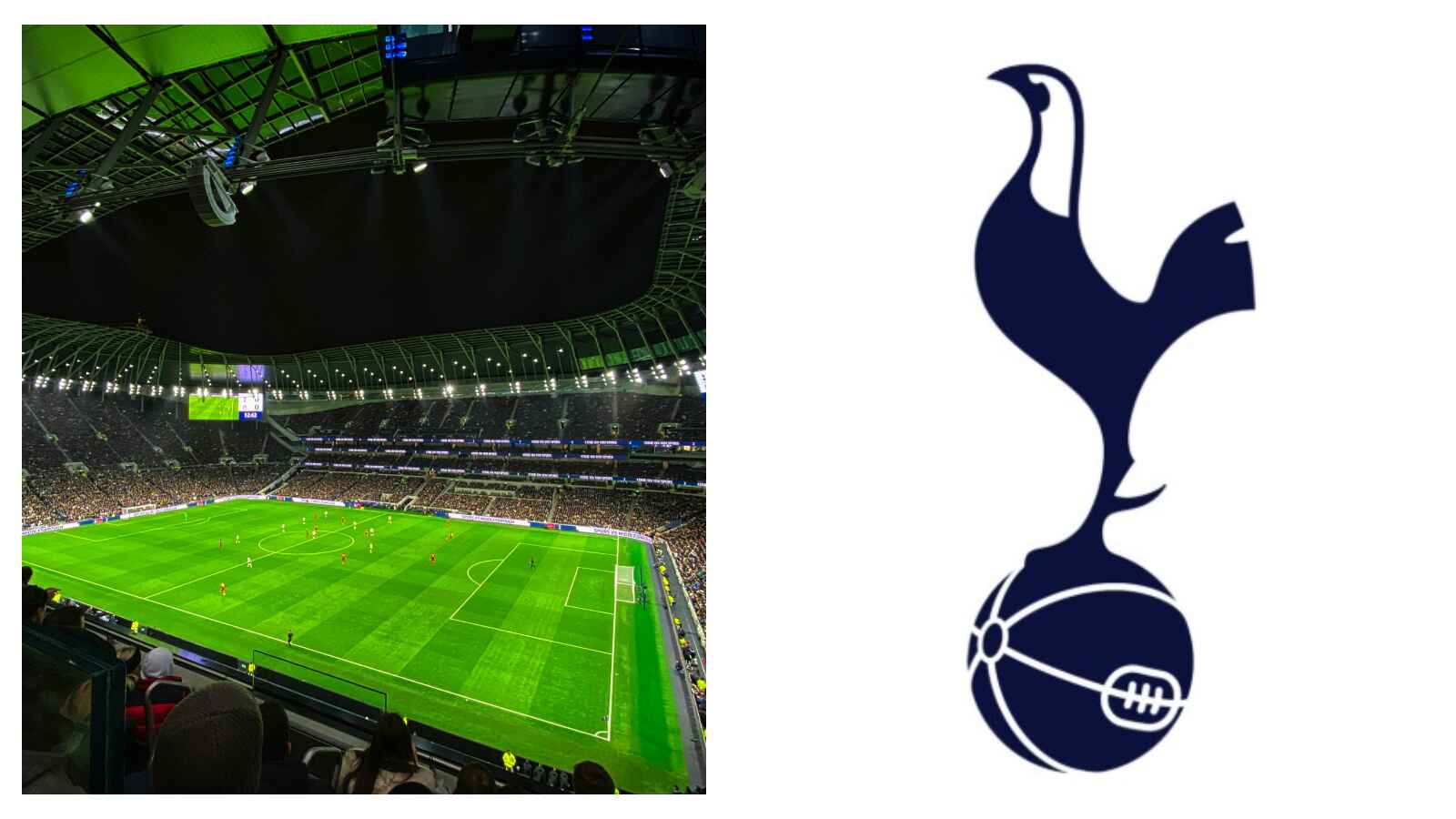
The football world was left stunned on Thursday night as Daniel Levy, the long-standing Tottenham Hotspur Executive chairman, officially stepped down – bringing an end to a 25-year tenure that reshaped the club for a generation of Spurs fans.
Despite following on from a dismal season that saw Tottenham finish 17th in the league, which was only salvaged by a Europa League triumph, Levy’s position never looked to be in doubt.
Outwardly, Levy looked to be overseeing the start of a brand-new era at Tottenham, appointing Thomas Frank as head coach following the dismissal of Ange Postecoglou.
Yet, as it was later revealed, the club was in the process of a considerable restructure.
Levy’s exit, despite being announced as a resignation, was actually the result of a move by the club’s majority shareholders, the Lewis family, following an extensive review of the club’s operations.
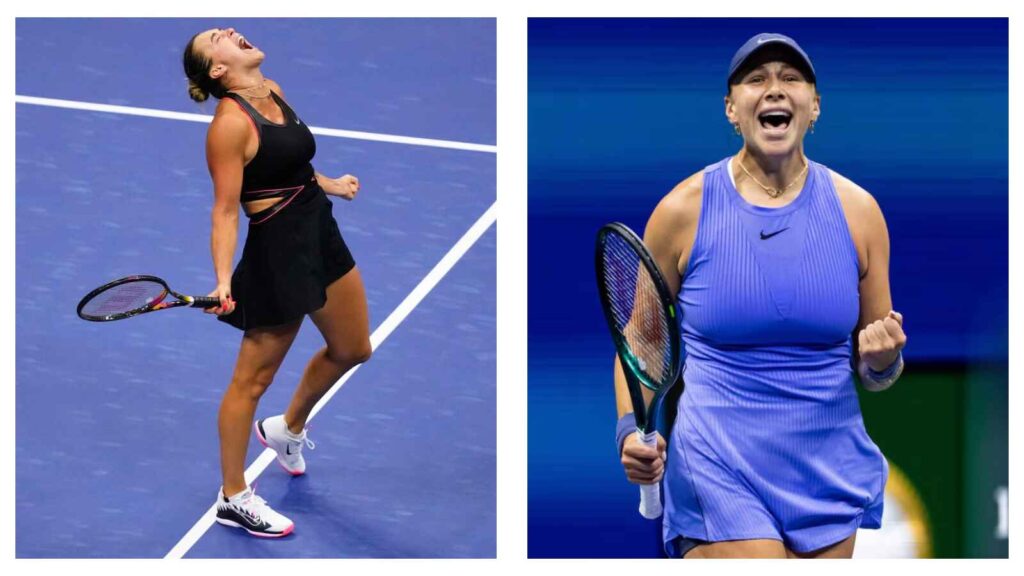
YOU MIGHT ALSO LIKE: US Open news: Aryna Sabalenka, Amanda Anisimova to contest women’s final
What led to the decision?
Spurs’ decision to move on from their iconic figurehead signals a move toward a more modernised football operation for the club, rooted in achieving continued sporting success.
The Lewis family commissioned a performance review earlier in the year, hiring a consultancy firm to evaluate the club’s operations, leading to a reshuffle of Spurs’ hierarchy.
Peter Charrington was appointed to the club’s board in March, which was quickly followed by the arrival of Vinai Venkatesham as the new CEO, and executive director Donna-Maria Cullen announced her decision to step down in June.
In the club’s official statement, Charrington confirmed he will be moving into the role of non-executive chairman.
“This is a new era of leadership for the club, on and off the pitch. I do recognise there has been a lot of change in recent months as we put in place new foundations for the future,” Charrington said.
“We are now fully focused on stability and empowering our talented people across the Club, led by Vinai and his executive team.”
Importantly, Levy’s departure is not indicative of an impending sale, despite the search for fresh sources of investment.
A bubbling tension around Levy
In retrospect, it is hard not to see these moves by the Lewis family to be more than setting the club up for a smooth transition in a post-Levy world.
Tottenham’s owners want “more wins more often” and a greater emphasis on sporting success, potentially reflecting their disappointment with recent seasons.
Levy and the Lewis family reportedly clashed in recent years over the club’s strategic direction, and it appears that change had become non-negotiable for Tottenham’s majority shareholders.
Supporters had also grown increasingly exasperated with Levy’s leadership, with protests in and around the stadium becoming more common in the final months of his tenure.
With the Lewis family and Spurs fans seemingly aligned in feeling, Levy’s position was perhaps more untenable than initially seemed.
Levy raised Spurs’ level
Despite the recent negativity, Tottenham’s transformation under Daniel Levy cannot be understated.
When he took charge in 2001, Spurs were consistently languishing in mid-table and were far away from challenging for major honours.
Upon leaving in 2025, Spurs are now worth £2.6 billion (according to Forbes), boast a world-class stadium, and are now recognised as one of the biggest teams in the UK.
Levy oversaw two major trophies – the League Cup in 2008 and last season’s Europa League – while guiding Spurs into consistent Champions League contention.
At their peak, the club participated in two title races (2015/16 and 2016/17) and reached the Champions League final in 2019.
Perhaps Levy’s greatest legacy is the move from White Hart Lane into the Tottenham Hotspur Stadium, a world-leading venue that has boosted the club’s ability to generate significant revenue.
A chairman emblematic of a bygone era
But while Levy has led the club to great heights, his method of operation has undoubtedly become stale.
Levy is arguably the last of an old model in football: a chairman who is hyper involved in the day-to-day operations, personally overseeing transfer negotiations, contracts, and managerial appointments.
Levy’s hands-on approach increasingly seemed out of step with modern football operations, which now relies on delegating responsibilities to specialised roles like sporting directors, technical directors, and CEOs.
Clubs like Manchester City and Liverpool have surged ahead not just because of their resources, but due to clear, modernised structures.
Spurs were beginning to struggle as a result, signing ‘top’ name managers before building coherent squads and being less ruthless in the transfer market.
Levy, who was once known as a stern negotiator, had even reportedly begun to exhaust other club officials with his way of dealing.
In many ways, Tottenham were beginning to mirror the dysfunction seen at Manchester United, who have only recently begun to get their operational act together.
Spurs must embrace modernity
Levy helped take Tottenham from the fringes of English football, turning them into a “big six” club. But football has changed and has become increasingly competitive in the Premier League.
The rise of Newcastle under PIF, the re-emergence of Aston Villa, and the strength of the league’s chasing pack, such as Brighton and Nottingham Forest, have made the league more cutthroat than ever.
Finishing 17th, regardless of their Europa League success, is unacceptable for a club the size of Tottenham.
That it happened only six years after reaching a Champions League final speaks volumes to the club’s decline in recent years.
Levy deserves immense credit for building Tottenham into the global brand they are today, but to evolve, they had to move on to keep pace with the best in the UK and Europe – or risk fading into competitive obscurity.
Former Chicago Bulls GM Jerry Krause once said, “Players and coaches don’t win championships, organisations do.” It’s a lesson Tottenham appear to have grasped.
READ NEXT: Ryder Cup news: Rory McIlroy ‘loves’ the Europe team assembled by Luke Donald
 Michael Davey
  Juliette White
  SportJustSport writers